
Introduction
Wine competitions can sometimes feel like mysterious affairs. What exactly goes on behind closed doors? What happens to all those wine samples? Are they impartial? And most importantly, how do these competitions ultimately affect us, the consumers – the ones with that bottle sitting on our tables or tucked away in our wine fridges?
Having recently judged at the India Wine and Spirits Awards (IWSA), hosted by Sonal Holland MW, I had the privilege of seeing the process up close. Here’s a look behind the curtain at what goes into selecting those medal-winning bottles you later find on shop shelves and wine lists.
1. What Exactly Happens at a Wine Competition?
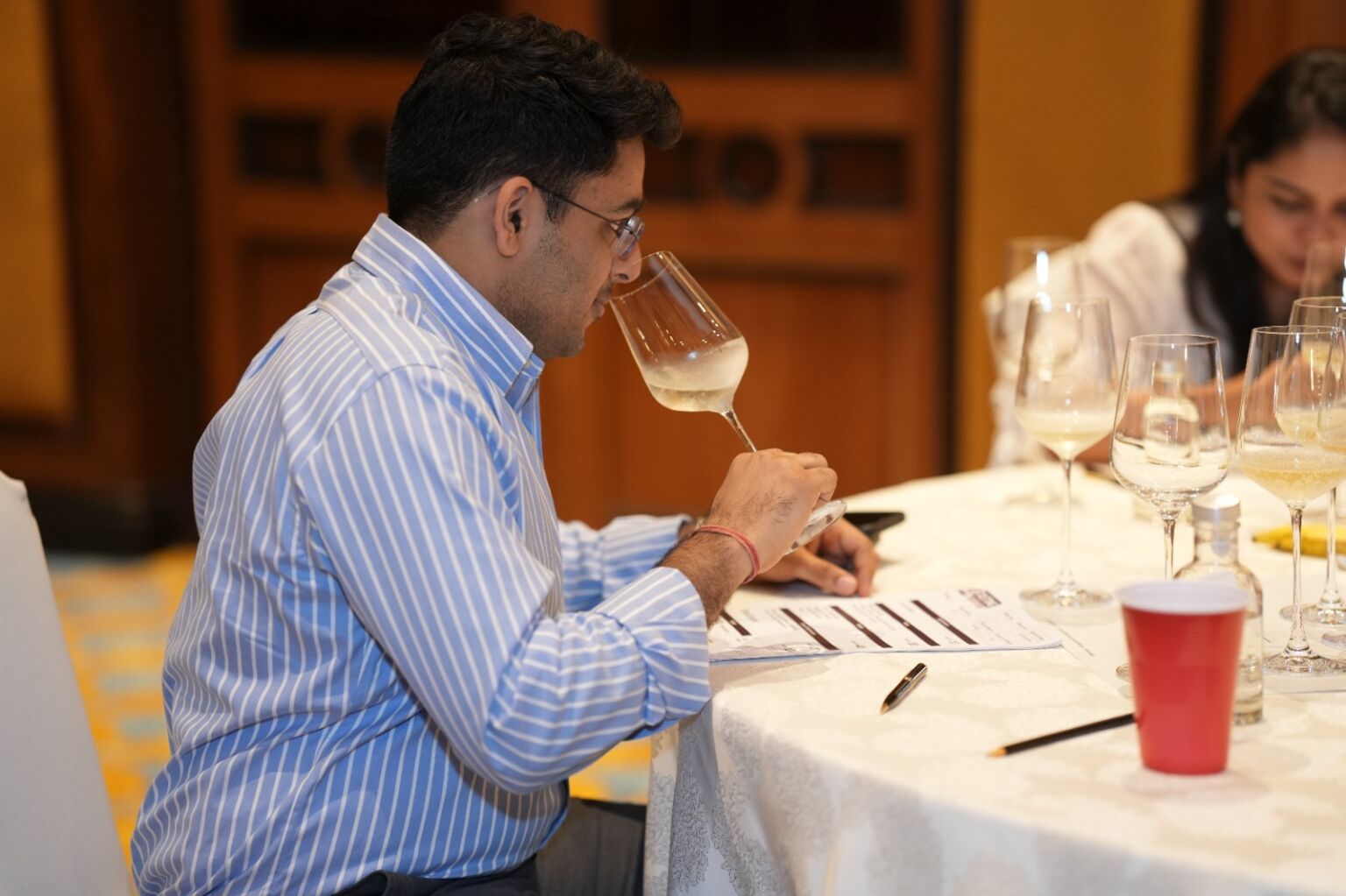
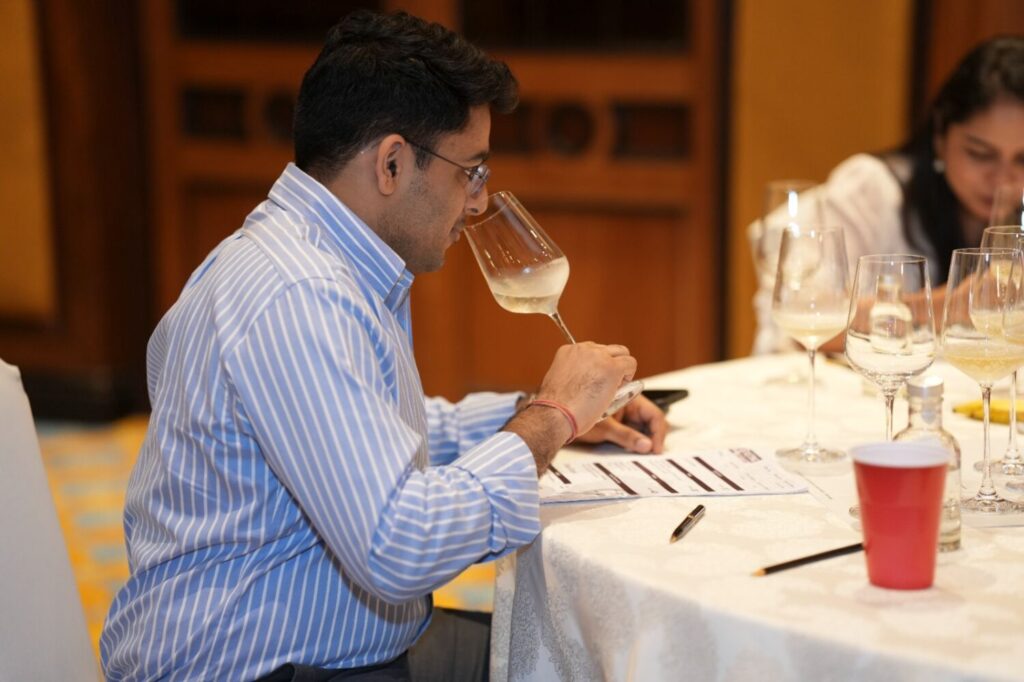
A wine competition is where wines are assessed by a panel of experts through a process called blind tasting. No, we don’t wear actual blindfolds – imagine the chaos if we did! Instead, the wines are served covered by a cloth bag or aluminium foil, without revealing their identities.
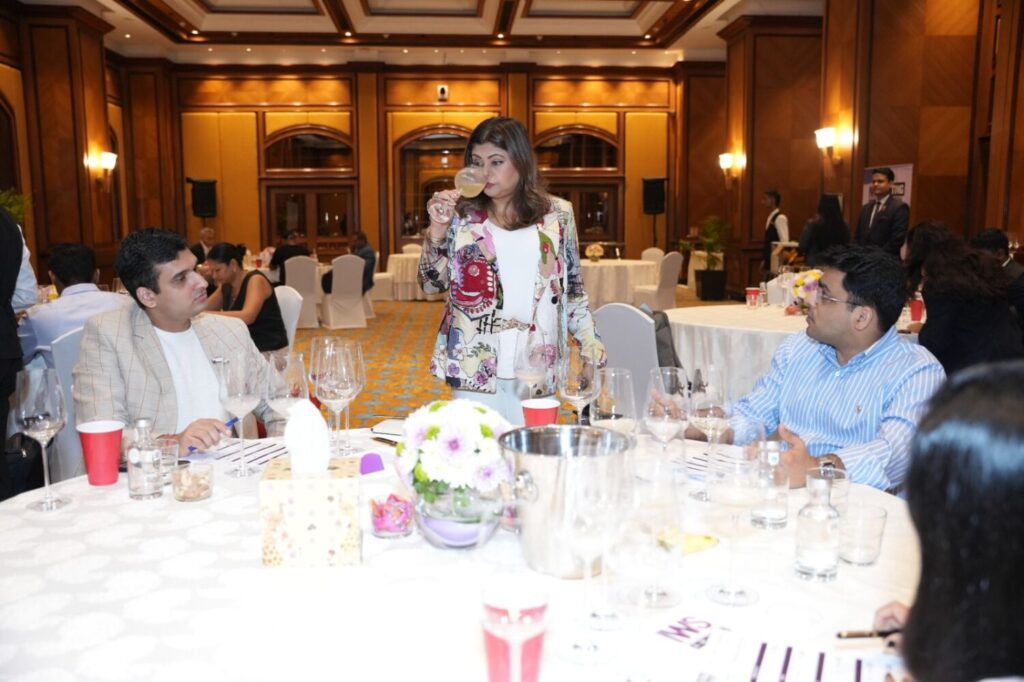
The organizing team, critical to the integrity of the competition, pours each wine into identical glasses coded by number or letter. These are then brought to the judges in flights – groups of about six wines that share a similar varietal, region, or style.
For example, a Bordeaux flight might include six different Bordeaux reds. Sometimes, organisers take a more focused approach, grouping wines from the same subregion or vintage. It all depends on which wines are submitted.
A blind tasting means we might know the varietal, vintage, country, and price category, but never the brand, producer, or exact region. The bottles are not left on our tables, not even in paper bags. Every judgement is based purely on what’s in the glass – free of any brand bias or preconceived expectations.
2. The Judging Panel: Who Are the Judges?
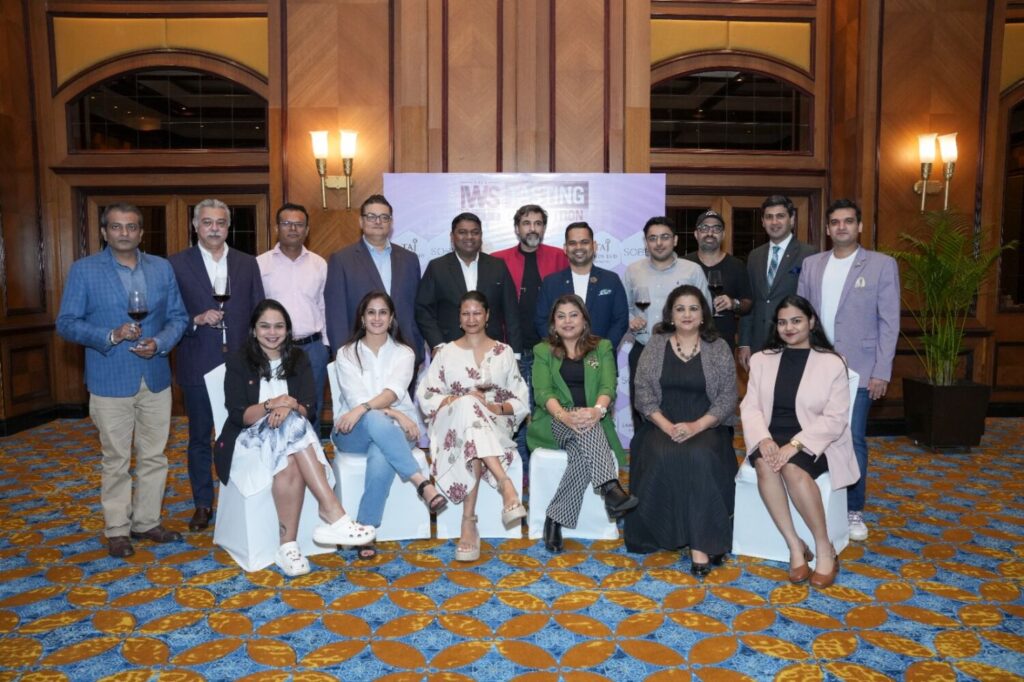
The IWSA brings together an impressive and diverse panel of judges – winemakers, sommeliers, wine educators, writers, importers, restaurateurs, and retailers – each with a distinct perspective and daily exposure to wine. This year it was hosted at the Taj Lands End Hotel in Mumbai.
Among them were names like Gorakh Gaikwad (COO & Chief Winemaker, Sula Vineyards), Hriday Mehra (Sommelier, Masque), Arth Jain (Taj Mahal Palace Hotel), Apurva Gawande and Ajit Balgi (wine educators), Ruma Singh and Suneeta Kanga (wine writers), Sumedh Singh Mandla (VBev), and Gauri Devidayal (The Table, Mag St Kitchen). This diversity is vital. It prevents what I call “viticultural racism” – the unintentional favouring of wines from regions we know or prefer. Some judges hold formal credentials from the Court of Master Sommeliers or WSET, while others rely on decades of experience and an intuitive understanding of wine and their consumers’ preferences.
A winemaker might focus on the technical precision, a restaurateur might evaluate pairing potential, and an importer like myself might think about how the wine resonates with the Indian palate. These varied viewpoints make every discussion richer and more enlightening.
3. The Structure of Judging at IWSA
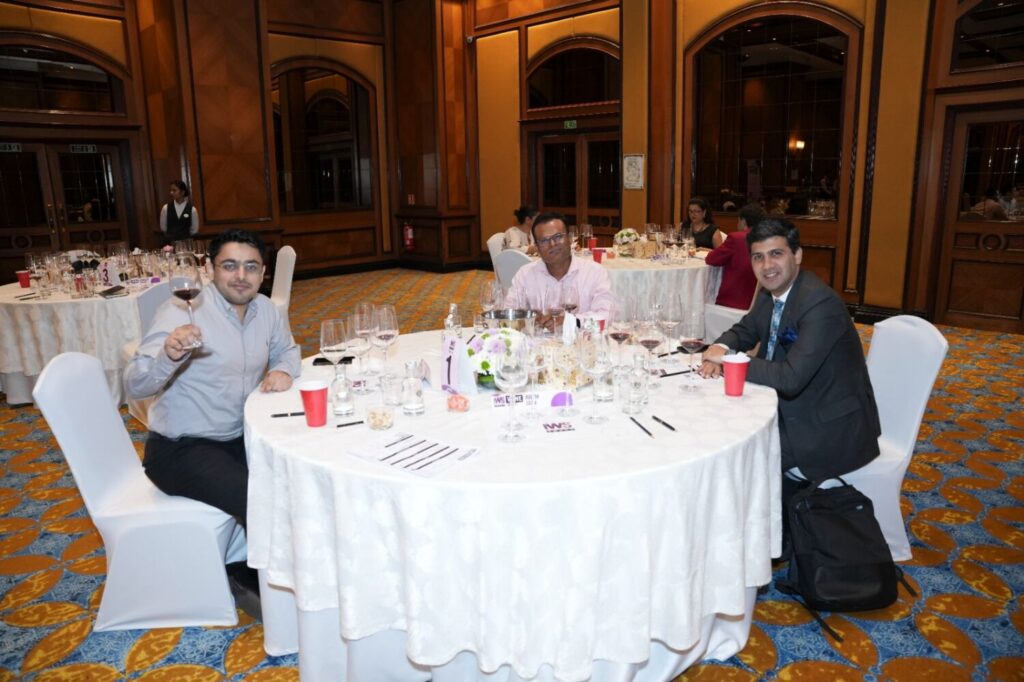
We were divided into six tables, each with three judges. My table this year included Jezan Limzerwala, who oversees new F&B projects for the IHCL group, and Gorakh Gaikwad from Sula Vineyards. Both brought sharp, well-honed palates and sparkling conversation – an enjoyable combination!
Last year, my table included Gauri Devidayal and Hriday Mehra, with Gauri being a veteran judge since 2017. Before the tasting began, we held a calibration session to align our scoring benchmarks, ensuring consistency across panels and tables.
Across the two days, we judged around 15 flights of up to six wines each. These were grouped by style rather than price point, allowing fair comparisons within each category. Each wine was judged on its own merits, both individually and in discussion with the group.
Scoring was based on a 100-point system, divided into clear categories:
- Colour (10 points) – assessing clarity, brightness, and appearance.
- Aroma (30 points) – evaluating intensity, purity, and complexity of the nose.
- Palate (40 points) – examining flavour balance, acidity, tannins, texture, and length.
- Overall Impression (20 points) – often referred to as BLIC (Balance, Length, Intensity, Complexity), summarising the wine’s harmony and drinkability.
In case there’s a disagreement about a score, we can ask for a consult from a judge on another table or Sonal C Holland who is the Head Judge for the competition.
It’s a demanding yet rewarding process. And with so many wines to taste, it’s essential to stay focused – spitting is mandatory, not optional! You may be surprised to know that at any professional alcohol event, sipping is the exception rather than the norm.
4. What I Learned from Judging at IWSA
Lesson 1: The Importance of Balance
The best wines achieve a seamless harmony between acidity, tannins, and fruit. This balance makes a wine enjoyable in its youth and gives it the potential to age gracefully. Wines with well-structured acidity not only taste fresher but also pair beautifully with a wide range of foods, making them more versatile for consumers and restaurants alike. Balance also comes in terms of pricing! The price of a wine must be a fair reflection of its quality. With the trade agreement between India and Australia, we saw a bunch of very well priced Australian wines that scored higher than wines of equal quality but higher price from the rest of the world.
Lesson 2: Diverse Expressions of Terroir
Tasting wines from different regions reinforced how terroir – soil, climate, and geography – imparts distinct characteristics, even within the same grape variety. The diversity of flavours and styles is one of the reasons wine never stops fascinating me.
Lesson 3: Trust Your Instincts
In judging, your gut instinct is often your most reliable tool. Overthinking can lead to palate fatigue or self-doubt. Your first impression – of aroma, structure, and balance – is usually the truest one, even though we do sometimes allow the wine to ‘open up’ in our glass before rescoring it.
Lesson 4: Evolution of the Indian Palate
It’s thrilling to see how the Indian wine scene continues to mature. Consumers are increasingly open to different styles and regions, exploring wines beyond the familiar. During this year’s competition, I was particularly impressed by the Shiraz wines from India, which displayed excellent balance and refinement.
Lesson 5: The Impact of Global Warming
Climate change was a recurring discussion in the room. Regions like Chablis now sometimes resemble Mâcon in flavour due to rising temperatures, resulting in higher alcohol levels and “jammier” styles that lack traditional elegance.
That said, the impact isn’t uniformly negative. In some regions, such as Germany’s Mosel Valley, Riesling now ripens more evenly, producing beautifully balanced wines. In others, like Austria or France’s Sauternes, warmer seasons have disrupted the conditions needed for late-harvest wines like TBA (Trockenbeerenauslese), where noble rot requires a delicate overlap of cool mornings and humidity.
5. Impact on the Consumer
Competitions like the IWSA do far more than hand out medals – they build trust. For consumers, a medal on a bottle is a reassurance of quality. It tells you that multiple professionals have independently judged and agreed that the wine is worth your attention.
For producers, these competitions provide feedback and insight into market trends, helping them fine-tune their craft and understand what resonates with evolving palates. It’s a win-win scenario that elevates both consumer confidence and industry standards.
6. The Human Element: More Than Just the Wine
While the wines take centre stage, the human element is what makes judging so fulfilling. Collaborating with fellow judges, learning from their perspectives, and witnessing the incredible effort of the backroom team reminded me that wine is ultimately about people – the winemakers, the farmers, the servers, and the consumers. This is really my favourite part of being a judge at the competition, as demanding schedules of those in the hospitality industry mean that its hard for us to come together and break bread often.
Respect is at the heart of it all. Respect for the process, for differing opinions, and for the craft behind every bottle. Wine tasting is inherently subjective; no one palate is absolute. Listening and learning from others is as valuable as the tasting itself.
Final Thoughts and Reflections
Judging at the IWSA was both challenging and deeply rewarding. It sharpened my palate, broadened my perspective, and reaffirmed my passion for connecting people to outstanding wines.
Every year, as we await Awards Night, I feel genuine excitement – not just to discover which wines take home gold, but to celebrate how far the Indian wine scene has come. Every year, these competitions push us forward – producers, judges, and consumers alike – towards greater appreciation, craftsmanship, and authenticity.
So, the next time you pick up a bottle that proudly bears a medal, know that it’s been through a meticulous process and evaluated by people who live and breathe wine.
Cheers to the joy of discovery and the world of wine.